
Footwear Quality Inspection: Sorting, Grading & Buyer Checklist
Part of: China Footwear Sourcing Guide
Footwear quality inspection should do three things: compare the order with an approved sample and written specification, classify each finding by an agreed severity, and record the decision—accept, repair and reinspect, or hold. Sample approval, bulk-production control and pre-shipment inspection are separate gates; one cannot replace the other.
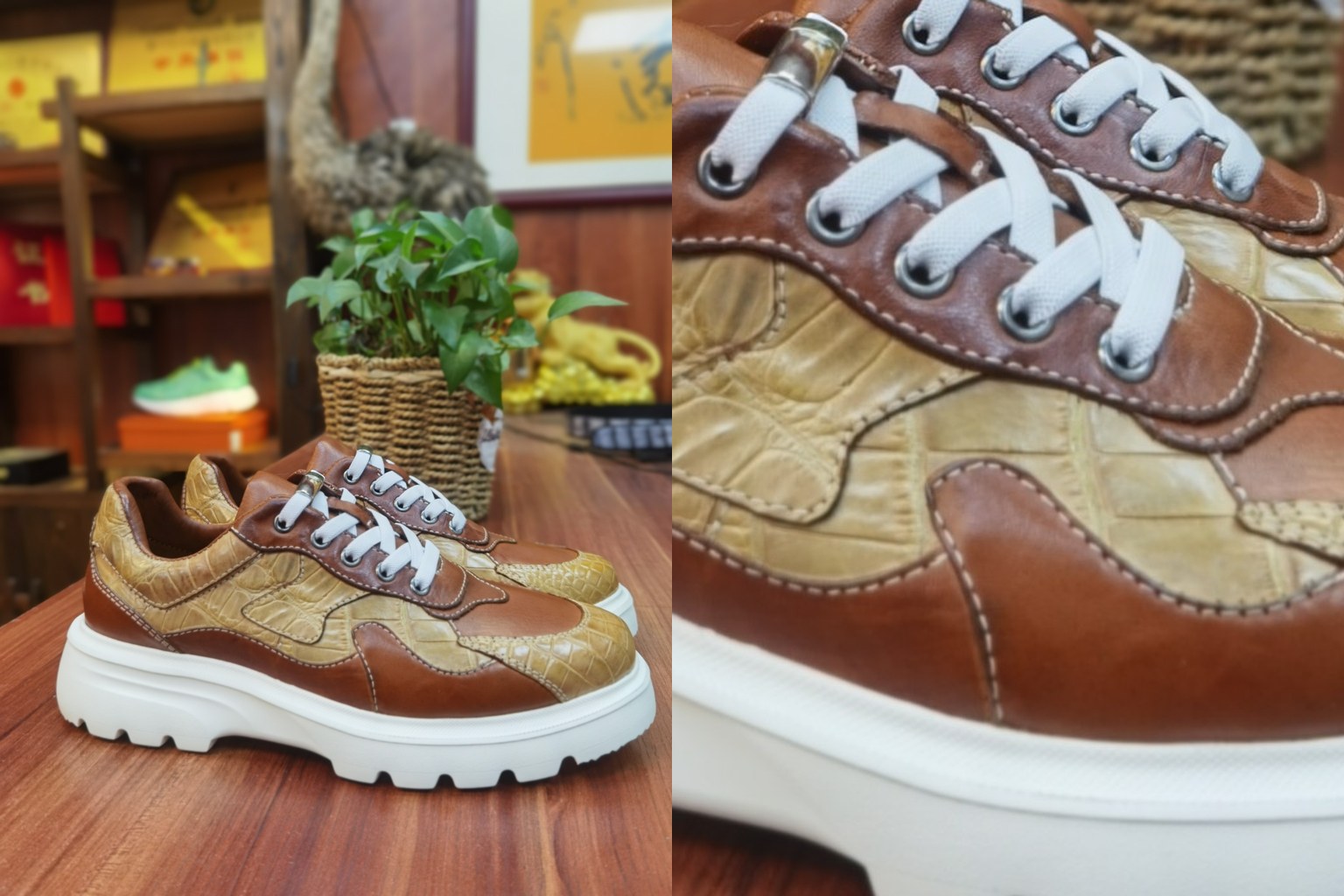
If you are buying shoes remotely, the practical goal is not a vague “QC passed” message. You need enough evidence to decide whether the sample can be approved, whether bulk production is following the approved standard, and whether the finished lot can move. The framework below is designed for a buyer, sourcing team or private-label brand to copy into an inspection brief.
What should a footwear inspection decide?
| Question | Decision needed | Evidence to retain |
|---|---|---|
| Does the item match? | Compare style, materials, color, construction, size, branding and packaging with the approved records. | Specification revision, approved sample reference and measured or photographed findings. |
| How serious is the finding? | Use the project’s written critical, major and minor definitions rather than an inspector’s memory. | Defect name, location, quantity, severity and the rule used. |
| What happens next? | Accept, repair, sort, replace, reinspect or hold for buyer review. | Disposition owner, due date, reinspection result and final approval. |
This decision chain is the content gap that many inspection pages leave open. A list of defects is helpful, but a buyer still needs to know which record controls the decision, who approves an exception and what proof closes the issue.
What do sorting and grading actually mean?
Sorting separates pairs according to an agreed decision. Grading labels the condition or disposition of each pair or group. “A, B and C grade” is common commercial language, but it is not a universal footwear standard with one fixed definition. One supplier may use B-grade to mean repairable; another may use it for a saleable cosmetic second. Put your definitions in the purchase order or inspection specification before production.
- Accept: the pair meets the approved specification and tolerance.
- Repair and reinspect: a defined correction can be made without creating a new defect, and the corrected pair returns to inspection.
- Hold: the inspector does not have authority to accept the deviation, the cause may affect more pairs, or the disposition needs the buyer’s written decision.
- Reject or replace: the project’s agreed rule does not permit shipment as first-quality product.
Do not let the grade hide the finding. “12 B-grade pairs” is much less useful than “12 pairs with cleanable adhesive residue at the lateral sole edge; repaired and reinspected against photo reference 4.”
What must be approved before inspection begins?
An inspector cannot verify an order against a mood board or a chat history. Give the inspection team a controlled record set. At minimum, include:
- Approved sample reference: physical sealed sample, dated photo set or another agreed reference, with any permitted differences recorded.
- Current product specification: style/SKU, upper, lining, insole, outsole, construction, color, finish, hardware, logo and packaging.
- Size information: size range, size conversion, measurement points, tolerances and order quantity by size.
- Defect list: named critical, major and minor examples for this product, including the allowed disposition.
- Inspection plan: inspection stage, lot definition, sampling or full-inspection method and who can approve a deviation.
- Packing specification: labels, barcode/SKU, box, tissue, inserts, pair packing, carton marks and carton quantity.
Version control matters. If the logo position changed after sample approval, the inspection pack should show the approved revision and date. The ISO guidance on documented information lists records of nonconformities, actions taken, concessions and corrective actions among the records a quality system may retain. That principle is useful even when a buyer is not claiming ISO certification.
How should sample approval be inspected?
The sample gate asks whether the proposed product and specification are ready to become the bulk standard. It is not a miniature pre-shipment inspection.
- Confirm the style, material description, color and finish in writing.
- Check construction details, component placement, stitching route and visible symmetry.
- Record the last/size used and the agreed measurement points; a size label alone is not a measurement record.
- Review branding and packaging artwork at the same revision as the sample.
- List every approved deviation and every correction required before bulk production.
- Keep a dated photo sequence and identify which sample becomes the comparison reference.
Approve the sample only when the record is complete enough for another person to inspect bulk shoes without relying on memory. For a more detailed approval flow, use the shoe sample approval checklist.
How should bulk production be controlled?
Bulk control looks for drift early enough to correct the process. The useful checkpoints depend on construction, but the buyer can ask for evidence at five hand-off points:
- Incoming components: record the approved component description, color/finish reference, lot or batch identifier when available, and visible damage.
- Cutting and pairing: check panel direction, left/right pairing, placement rules and quantity against the cutting plan.
- Closing and stitching: compare seam route, stitch appearance, reinforcement and logo placement with the approved sample.
- Lasting and sole attachment: review shape, alignment, toe spring, heel position and the upper-to-sole joint using the project’s test or inspection method.
- Finishing and packing: check color/finish consistency, cleanliness, labels and the approved packing sequence before cartons close.
Ask for the number checked and the number affected at each checkpoint. A photograph without a style, size, carton or batch reference is hard to use later. If a substitution is proposed, pause that component until the buyer has accepted the written change.
What belongs in a pre-shipment inspection?
The pre-shipment gate checks the finished lot presented for release. It should combine order identity, workmanship, measurement, function and packing—not just attractive pair photos.
- Order identity: purchase order, style/SKU, color, size breakdown, lot quantity and completed quantity.
- Pair comparison: left/right color, finish, shape, height, hardware and logo position.
- Construction: stitching, seam security, sole attachment, insole placement, lining, edges and finishing cleanliness.
- Measurements: the project’s specified points across selected sizes, with the actual reading shown in the photo or report.
- Functions: closures, laces, buckles, zips, removable components or other features named in the specification.
- Packing and labels: shoe/box size match, barcode/SKU, country or care labels when specified, accessories, carton marks and carton quantity.
The pre-shipment shoe inspection checklist provides the shipment-level companion to this sorting and grading guide.
How should defects be classified and dispositioned?
Severity should reflect the project requirement and the effect of the deviation, not the inspector’s frustration. The table below is a reporting model, not a universal severity standard.
| Finding | Record to compare | Possible disposition | Closure evidence |
|---|---|---|---|
| Adhesive residue on a finished edge | Approved finish/photo tolerance | Repair if the agreed cleaning method does not damage the finish; then reinspect. | Before/after close-up, repaired quantity and reinspection result. |
| Broken seam or open sole joint | Construction specification and defect rule | Hold affected pairs; determine scope and approved repair or replacement route. | Affected quantity, cause review, correction record and reinspection. |
| Wrong size label or box label | Size chart, label artwork and packing specification | Sort the defined population, relabel where authorized and verify the correction. | Count by size/SKU, replacement label proof and sample recheck. |
| Left/right color or finish mismatch | Approved pair and color/finish reference | Hold and sort; repair, re-pair or replace only under an agreed method. | Side-by-side photos, sorted quantities and buyer disposition. |
A good report separates the finding from the decision. The inspector records what was observed. The written inspection rule supplies the severity. The authorized buyer or quality owner approves an exception when the rule does not already cover it.
How should AQL be used in footwear inspection?
ISO 2859-1:2026 defines sampling schemes indexed by acceptance quality limit (AQL) for lot-by-lot inspection by attributes. The current edition was published in January 2026 and replaced the 1999 edition. ISO 28590:2017 is the official introduction to the wider ISO 2859 series and helps users select an appropriate attribute-sampling system.
AQL is not a promise that a shipment contains no more than a stated percentage of defects, and a sampled pass is not proof that every uninspected pair conforms. The plan must identify the lot, inspection level or sampling scheme, AQL index, defect classes, sample size, acceptance/rejection numbers and switching rules that apply. If those inputs are missing, “AQL inspection” is only a label.
| Method | Useful when | Limit |
|---|---|---|
| Acceptance sampling | The buyer needs a defined lot decision with controlled inspection effort. | It estimates lot acceptability from a sample; it does not identify every defective unit. |
| 100% sorting | A known issue must be contained, or each unit needs a defined check. | More handling, time and inspector-consistency control are required; the check still needs a written criterion. |
| Targeted reinspection | A correction or sorted population must be verified after action. | The reinspection scope must match the affected population and cannot erase the original finding. |
Choose the method before the inspection date. If the sample reveals a repeated issue, the decision may be to hold the lot and investigate or sort the affected population rather than merely increase the number of attractive photographs.
What evidence should a remote buyer receive?
Ask for one evidence pack that another person can audit without reopening every message:
- purchase order, style/SKU, color, size range, lot quantity and inspection date;
- approved sample/specification revision used for comparison;
- inspection stage, sampling or sorting method and actual quantity checked;
- finding log with defect name, severity, quantity, size/carton/location and photograph number;
- measured results with the tool/readout visible when a measurement matters;
- accept, repair, sort, replace, reinspect or hold decision for every open finding;
- before/after proof for corrections and the final authorized release record.
Keep filenames boring and traceable: PO-style-size-carton-view-date is more useful than IMG_4382. The report does not need to be beautiful. It needs to connect every decision to the correct order and version.
What increases inspection cost or MOQ pressure?
There is no honest universal inspection price or order minimum. The workload changes with the number of styles and colorways, lot size, size range, inspection level, number of measurement points, functional tests, packaging variants, travel, third-party laboratory work, correction volume and whether 100% sorting is required.
To compare quotes, ask each provider to state the same scope: stage, lot definition, sample or full-sort quantity, defect classes, measurements/tests, packing checks, report format, reinspection rule and travel or laboratory exclusions. A lower quote is not comparable if it checks fewer sizes, skips carton sampling or excludes reinspection.
What should you send for a useful inspection or quote?
You can copy this into an email or the Buyer Portal:
Subject: Footwear inspection brief — [PO] / [style or SKU]
Inspection stage: sample approval / bulk checkpoint / pre-shipment / reinspection
Product: style, color, construction and material description
Order: quantity, size breakdown, number of cartons and destination
Approved references: sample ID, specification revision, size chart and packing artwork
Inspection method: proposed sampling plan or 100% sort, with defect-class definitions
Required checks: appearance, construction, measurements, functions, labels and packing
Evidence: required photo views, measurement records and report format
Decision route: who can approve repairs, substitutions, exceptions and shipment release
Schedule input: goods-ready date and requested inspection window
If any of these fields is unknown, say so. A useful feasibility review separates missing information from an assumed promise.
Which sources support the sampling and record controls?
- ISO 2859-1:2026 — current ISO standard for AQL-indexed lot-by-lot inspection by attributes.
- ISO 28590:2017 — official introduction to the ISO 2859 attribute-sampling series.
- ISO guidance on documented information for ISO 9001:2015 — examples of controlled records, including nonconformities, actions, concessions and corrective action results.
Source boundary: these sources explain sampling systems and quality-record principles. They do not set one universal footwear defect list, one A/B/C grade definition, one AQL value or one inspection price for every order. Those project decisions must be agreed in writing.
Buyer FAQ
Footwear QC FAQ
What should be checked before shoe shipment?
Check the finished lot against the approved sample, current specification, size breakdown and packing artwork. Record style/SKU, construction, pair matching, measurements, functions, labels, packaging and carton details, then link every finding to an accept, repair, sort, replace, reinspect or hold decision.
How should footwear defects be reported?
Report the order and style, affected size/carton/location, defect name, agreed severity, quantity checked, quantity affected and photograph number. Add the disposition owner and whether the pairs were accepted, repaired, sorted, replaced, reinspected or held. A vague “QC failed” note is not actionable.
What are the most common footwear defects?
Frequent inspection findings include open or untidy sole joints, broken or uneven stitching, left/right mismatch, wrong measurements or labels, finish contamination, shape/alignment differences and packing errors. The severity is not universal; compare each finding with the product specification and the order’s written defect rules.
Is A/B/C footwear grading a universal standard?
No. A, B and C are common commercial labels, but suppliers and buyers may define them differently. Write what each grade means for the order, including whether it can ship, must be repaired and reinspected, needs buyer approval, or must be rejected or replaced. Record the actual finding as well as the grade.
What does AQL mean in a footwear inspection?
AQL is an index used in an acceptance-sampling plan, such as the schemes in ISO 2859-1:2026. It is not a guarantee that every uninspected pair conforms or a universal defect allowance. The lot, sampling scheme, defect classes, sample size and acceptance/rejection numbers must be specified together.