
Shoe Tech Pack for Manufacturers: Quote Checklist for OEM/ODM Buyers
Part of: Private Label Shoe Manufacturing
A shoe manufacturer can only quote accurately when the buyer gives enough product detail. If the inquiry only says "custom sneaker" or "send price", the first reply will usually ask for missing information. A clear shoe tech pack turns a rough idea into a practical requirement list that the sales, sampling, material, and production teams can understand.
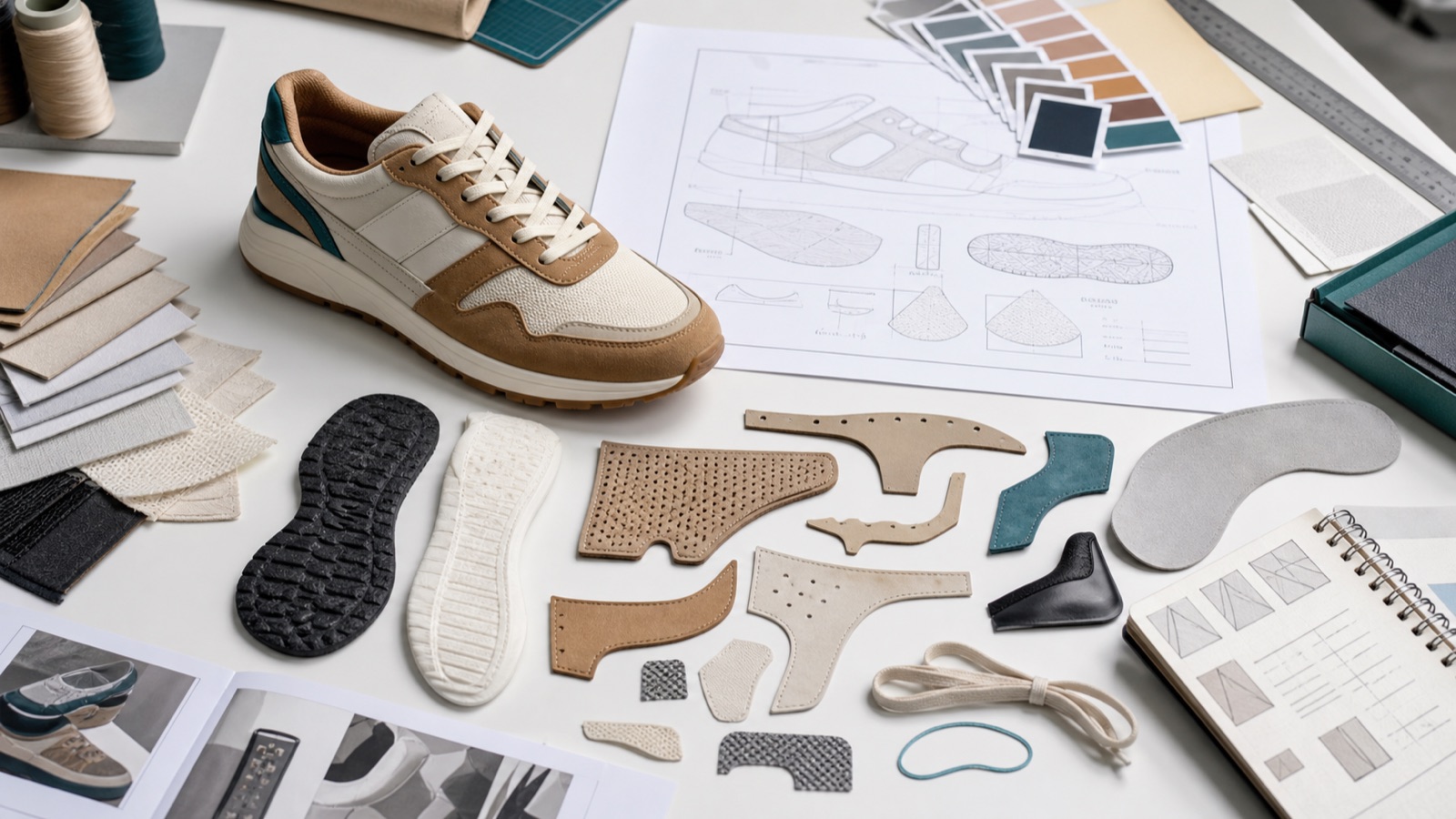
This guide is for OEM/ODM buyers, private label footwear brands, wholesalers, Amazon sellers, boutique retailers, and sourcing managers who want faster replies and more useful quotations from a China shoe manufacturer. You do not need a perfect technical file before the first conversation, but you do need enough structure for the factory to judge feasibility, MOQ, sample cost, lead time, and quality risk.
What is a shoe tech pack?
A shoe tech pack is a specification document for footwear development. It can be a complete factory-ready file with drawings, measurements, material codes, color standards, grading rules, packaging artwork, and QC notes. It can also be a practical sourcing brief at the inquiry stage.
For early OEM/ODM communication, the best tech pack is not always the most complicated one. The best version is the one that helps the manufacturer answer these questions clearly:
- What product is the buyer trying to make?
- Which construction, materials, and outsole direction are expected?
- Which parts can use existing factory resources and which parts need custom development?
- What quantity, market, price level, and delivery window should the factory consider?
- What must be confirmed before sample approval and bulk production?
Start with a product overview
The first section should explain the project in a way that a sales team can forward internally without rewriting the whole message. Keep it direct and measurable.
- Product type: sneaker, trainer, loafer, leather shoe, slipper, boot, sandal, or another footwear category.
- Target market: country, buyer group, retail price band, and sales channel.
- Project type: OEM, ODM, private label, wholesale adaptation, or sample based on an existing reference.
- Quantity: first order estimate, color breakdown, size range, and likely reorder plan.
- Timeline: sample deadline, bulk delivery target, and launch season.
- Reference files: photos, sketches, product links, existing samples, color chips, or packaging examples.
If you are still selecting a category, compare the customized shoes, custom sneakers, leather shoes, and wholesale shoes pages before sending the inquiry.
Describe the construction before asking for MOQ
MOQ is linked to the way the shoe is made. A factory can often quote faster when the buyer describes construction before asking for the lowest possible quantity.
Include these construction details when possible:
- Last shape, toe shape, topline height, and general fit direction.
- Upper pattern, panels, stitching lines, perforation, embroidery, embossing, or decorative details.
- Upper material, lining, insole, outsole, heel, lace, zipper, buckle, or metal hardware.
- Outsole type, such as existing rubber sole, EVA sole, cup sole, leather sole, or custom mold.
- Bonded, stitched, cemented, vulcanized, Goodyear, or other construction expectation.
- Logo position and method, such as insole print, tongue label, side logo, heel logo, box logo, or hang tag.
If a detail is undecided, say that clearly. For example: "We prefer a lightweight rubber outsole, but can accept an existing outsole if it matches the reference shape." This gives the factory room to recommend a practical option.
Make material requirements easy to compare
Materials affect cost, MOQ, color consistency, comfort, and production risk. A useful tech pack should separate must-have requirements from flexible preferences.
- Upper material: leather, suede, canvas, mesh, synthetic leather, knit, exotic skin, or mixed material.
- Material priority: price, softness, durability, breathability, texture, sustainability, or premium appearance.
- Color: Pantone, physical swatch, reference photo, or acceptable color range.
- Lining: leather lining, textile lining, microfiber, mesh, warm lining, or breathable lining.
- Insole: padding thickness, arch support, removable insole, branded insole, or comfort foam.
- Outsole: grip, flexibility, weight, thickness, color, and logo placement.
For premium leather shoes, loafers, trainers, or exotic skin products, material confirmation should happen before final sample approval. A good-looking first sample does not always guarantee stable bulk material unless the material source is confirmed.
Define size range and fit expectations
Many footwear problems come from unclear sizing. Buyers should include the size standard and market fit expectation early in the conversation.
- Size standard: EU, US, UK, CN, or another standard.
- Gender and fit: men's, women's, unisex, kids, wide fit, narrow fit, or comfort fit.
- Size range: first order size run and expected size ratio.
- Reference fit: compare with an existing product if possible.
- Sample needs: one sample size, size-set sample, or pre-production size confirmation.
For private label collections, size-set confirmation is especially useful before bulk production. It helps catch grading, label, outsole, and fit problems before the factory cuts the full order.
Include branding and packaging in the same file
Private label shoe development is not only the shoe itself. The buyer also needs to control the customer-facing brand presentation.
List all branding and packaging requirements:
- Logo file format and logo placement on shoe, insole, outsole, box, dust bag, hang tag, or carton.
- Logo method, such as embossing, debossing, screen print, heat transfer, woven label, metal logo, or rubber patch.
- Shoe box size, box material, printed artwork, barcode, SKU label, and color label.
- Dust bag, tissue paper, insert card, care card, silica gel, or spare lace requirement.
- Outer carton mark, packing ratio, carton weight limit, and shipping label needs.
Packaging details often change the real quote. If packaging is not included at the beginning, the first price may be incomplete.
Ask quote questions in a way the factory can answer
Once the tech pack is organized, ask focused quote questions. This makes the reply easier to compare across suppliers.
- What is the suggested MOQ for this design and why?
- Can an existing outsole, last, or construction be used?
- What is the sample cost and sample lead time?
- Which materials are available from stock and which require custom sourcing?
- What logo methods are practical for the first order quantity?
- What is the estimated bulk lead time after sample approval?
- What QC photos, measurements, or inspection records can be shared before shipment?
These questions are stronger than only asking for the lowest price because they reveal whether the factory understands the project.
Use a staged sample approval checklist
Sampling should be treated as a controlled approval process. The first sample should prove direction, while later stages should confirm execution details.
- Concept confirmation: approve category, shape, material direction, outsole, and logo method.
- First sample: check appearance, construction, comfort direction, and major design differences.
- Revision sample: correct shape, color, material, logo scale, stitching, outsole, or packaging.
- Size-set or pre-production sample: confirm size grading, fit, label, material, and workmanship standard.
- Bulk approval: approve production only when sample, photos, measurements, and purchase order match.
For a deeper quality-control view, read 6 quality control issues in footwear and how to identify and fix them.
Keep the inquiry email-friendly
A factory reply becomes faster when the requirement is easy to quote, forward, and update. Instead of sending a long unstructured paragraph, use short sections and attach files clearly.
A good first inquiry can use this structure:
- Product: private label sneaker, leather shoe, loafer, trainer, or another category.
- Reference: attached photos, sample photos, or product links.
- Market: target country, retail channel, and buyer group.
- Specs: material, color, outsole, size range, logo, packaging, and QC expectations.
- Quantity: first order estimate and possible reorder plan.
- Timeline: target sample date and bulk delivery window.
- Questions: MOQ, sample cost, sample time, material options, lead time, and shipping path.
Marcusius supports this workflow through the Buyer Portal. Buyers can submit structured requirements, attach images or files, update the thread online, and keep the sales team notified by email.
Final checklist before sending your shoe tech pack
- Does the file explain the product type, buyer market, and project model?
- Are reference images and construction expectations included?
- Are materials, colors, sizing, logo, and packaging described separately?
- Does the quantity section show first order estimate and possible reorder plan?
- Are sample deadlines and bulk delivery expectations realistic?
- Did you ask the manufacturer to explain MOQ, sample cost, lead time, and QC evidence?
If your files are ready, send the requirement through the contact page or start a structured discussion in the Buyer Portal. If you are still choosing a development path, compare this guide with the private label shoe manufacturer checklist before requesting a quote.