
Ostrich Bags
Start with one bag or a small wholesale order. Choose a style below, then share your preferred dimensions and finish for a quotation.
Showing 1-24 of 130 results
-
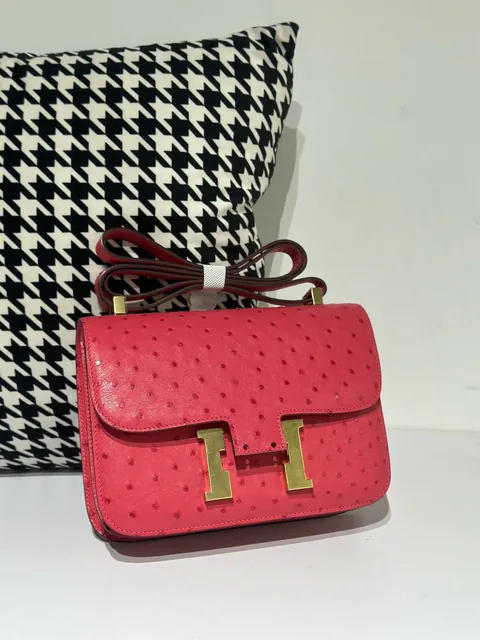
Ostrich Leather 23cm Flap Shoulder Bag Collection WOB119
WOB119Ostrich Leather 23cm Flap Shoulder Bag Collection WOB119 is crafted from genuine ostrich leather with soft leather lining and a structured leather body and reinforced base. Dimensions: 23cm reference size. Custom logo, color, hardware, lini
-
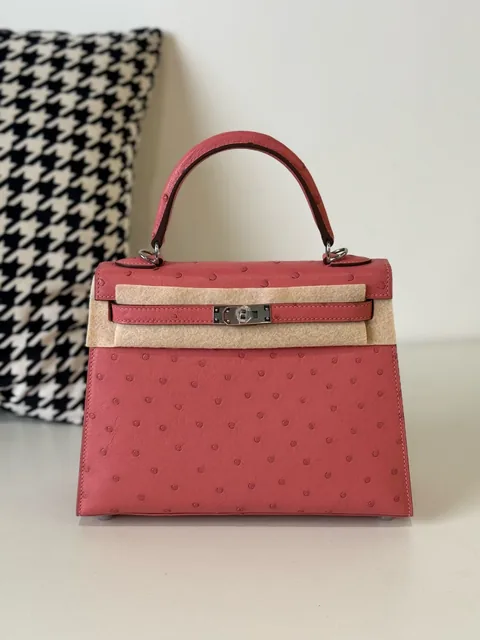
Ostrich Leather 25cm Top Handle Bag Collection WOB106
WOB106Ostrich Leather 25cm Top Handle Bag Collection WOB106 is crafted from genuine ostrich leather with soft leather lining and a structured leather body and reinforced base. Dimensions: 25cm reference size. Custom logo, color, hardware, lining
-
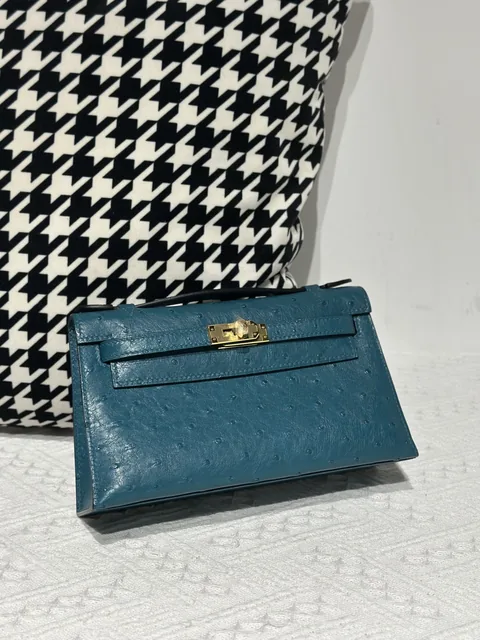
Ostrich Leather Aqua Blue Gold Hardware Series I Flap Shoulder Bag WOB111
WOB111Ostrich Leather Aqua Blue Gold Hardware Series I Flap Shoulder Bag WOB111 is crafted from genuine ostrich leather with soft leather lining and a structured leather body with metal hardware. Key details: Aqua Blue, Series I, Gold Hardware. M
-
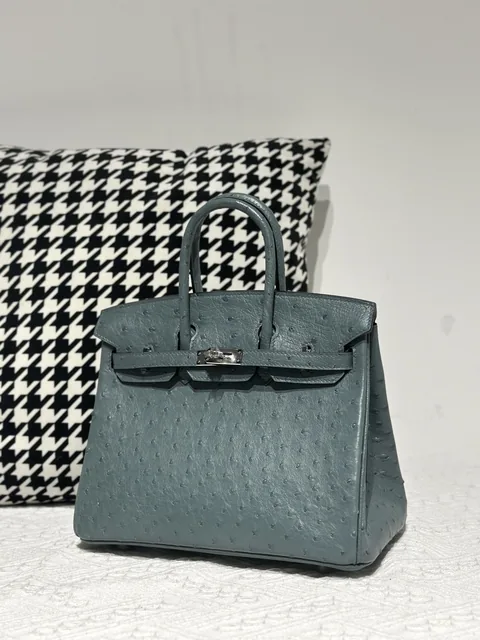
Ostrich Leather Denim Blue 25cm Silver Hardware Top Handle Tote Bag WOB105
WOB105Ostrich Leather Denim Blue 25cm Silver Hardware Top Handle Tote Bag WOB105 is crafted from genuine ostrich leather with soft leather lining and a structured leather body with metal hardware. Key details: Denim Blue, Silver Hardware. Dimensi
-
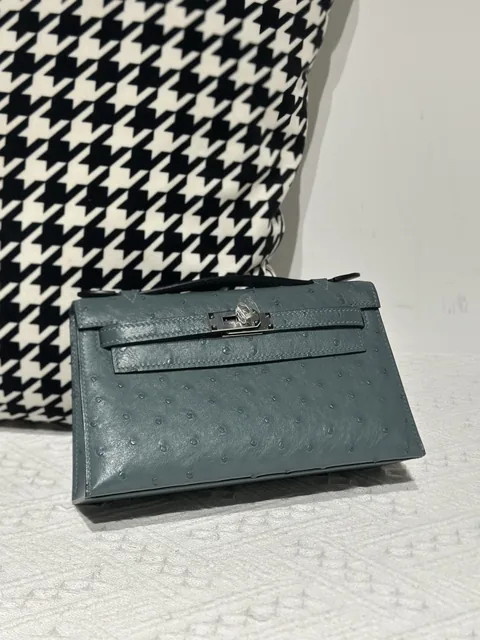
Ostrich Leather Denim Blue Silver Hardware Series I Flap Shoulder Bag WOB112
WOB112Ostrich Leather Denim Blue Silver Hardware Series I Flap Shoulder Bag WOB112 is crafted from genuine ostrich leather with soft leather lining and a structured leather body with metal hardware. Key details: Denim Blue, Series I, Silver Hardw
-
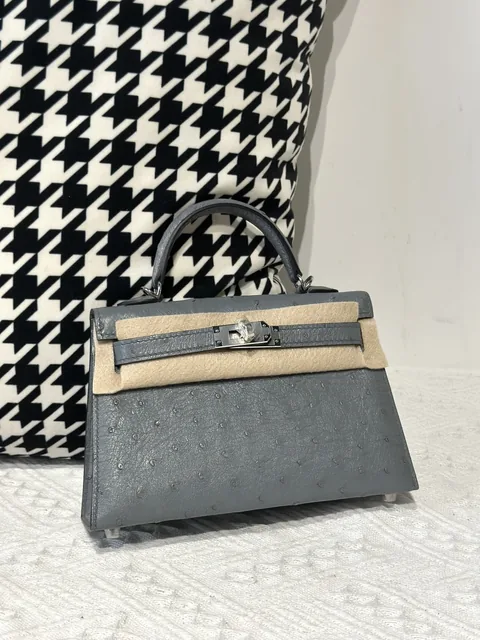
Ostrich Leather Denim Blue Silver Hardware Series II Top Handle Bag WOB117
WOB117Ostrich Leather Denim Blue Silver Hardware Series II Top Handle Bag WOB117 is crafted from genuine ostrich leather with soft leather lining and a structured leather body with metal hardware. Key details: Denim Blue, Series II, Silver Hardwa
-
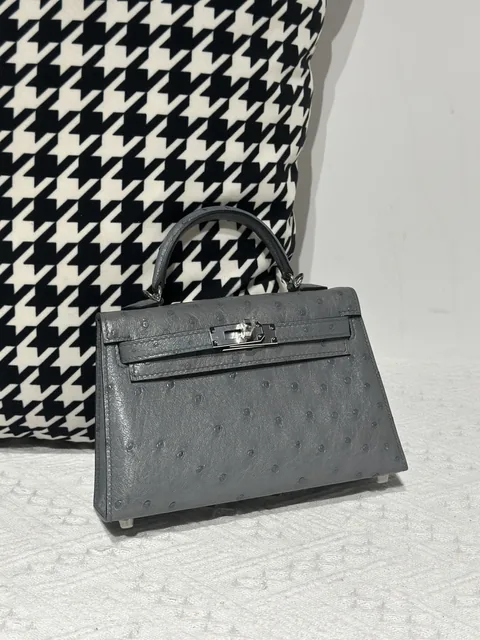
Ostrich Leather Gray Silver Hardware Series II Top Handle Bag WOB118
WOB118Ostrich Leather Gray Silver Hardware Series II Top Handle Bag WOB118 is crafted from genuine ostrich leather with soft leather lining and a structured leather body with metal hardware. Key details: Series II, Gray, Silver Hardware. Made-to-
-
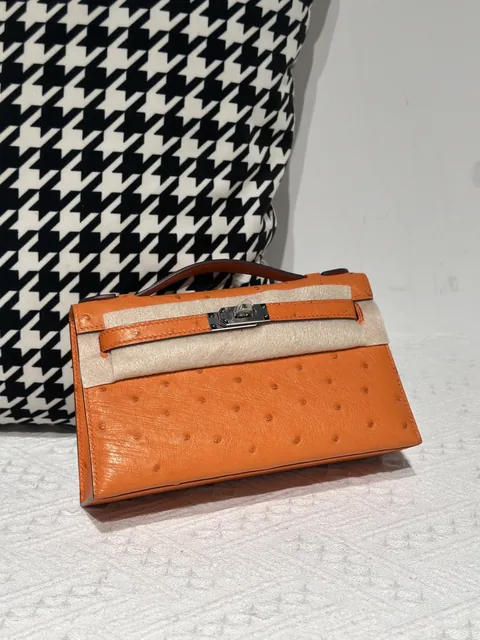
Ostrich Leather Orange Silver Hardware Series I Flap Shoulder Bag WOB110
WOB110Ostrich Leather Orange Silver Hardware Series I Flap Shoulder Bag WOB110 is crafted from genuine ostrich leather with soft leather lining and a structured leather body with metal hardware. Key details: Series I, Orange, Silver Hardware. Mad
-
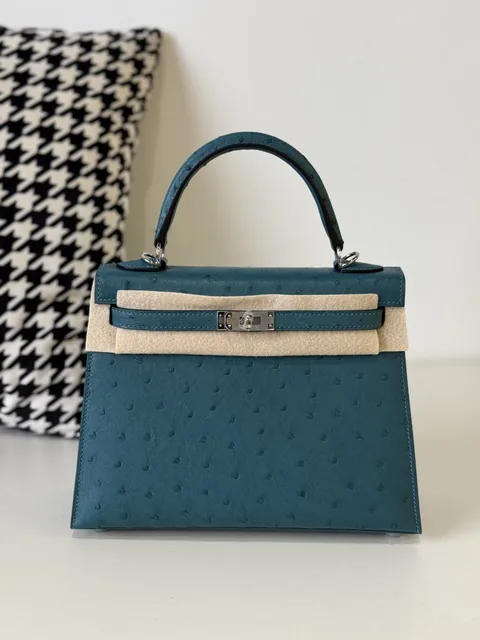
Ostrich Leather Peacock Blue 25cm Silver Hardware Top Handle Bag WOB108
WOB108Ostrich Leather Peacock Blue 25cm Silver Hardware Top Handle Bag WOB108 is crafted from genuine ostrich leather with soft leather lining and a structured leather body with metal hardware. Key details: Peacock Blue, Silver Hardware. Dimensio
-
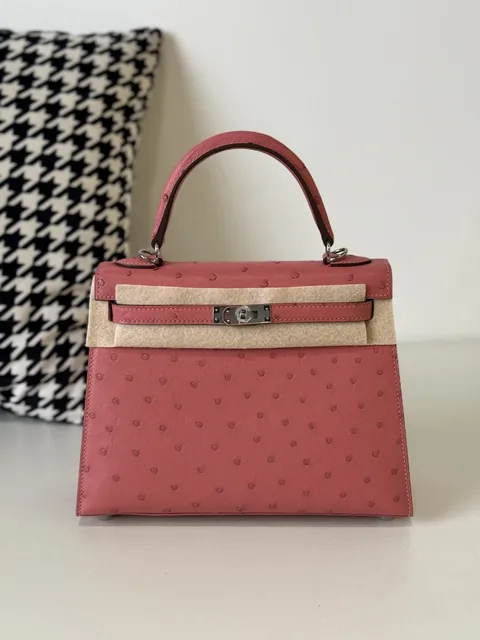
Ostrich Leather Pink 25cm Silver Hardware Top Handle Bag WOB107
WOB107Ostrich Leather Pink 25cm Silver Hardware Top Handle Bag WOB107 is crafted from genuine ostrich leather with soft leather lining and a structured leather body with metal hardware. Key details: Pink, Silver Hardware. Dimensions: 25cm referen
-
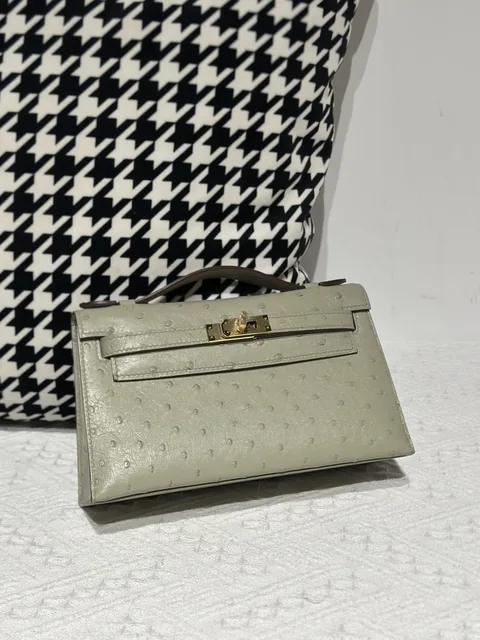
Ostrich Leather Sage Green Gold Hardware Series I Flap Shoulder Bag WOB114
WOB114Ostrich Leather Sage Green Gold Hardware Series I Flap Shoulder Bag WOB114 is crafted from genuine ostrich leather with soft leather lining and a structured leather body with metal hardware. Key details: Sage Green, Series I, Gold Hardware.
-
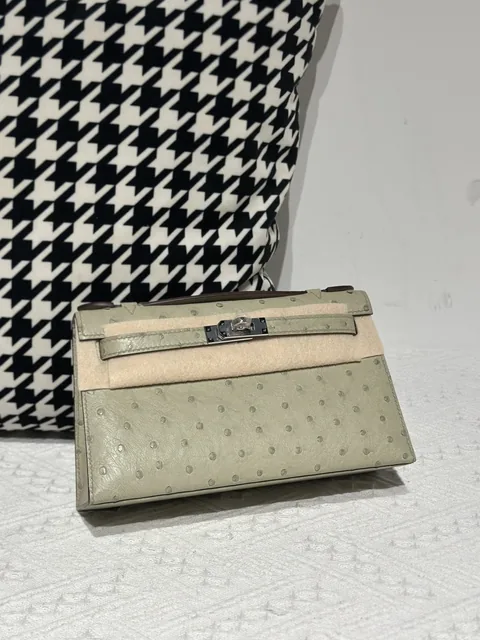
Ostrich Leather Sage Green Silver Hardware Series I Flap Shoulder Bag WOB115
WOB115Ostrich Leather Sage Green Silver Hardware Series I Flap Shoulder Bag WOB115 is crafted from genuine ostrich leather with soft leather lining and a structured leather body with metal hardware. Key details: Sage Green, Series I, Silver Hardw
-
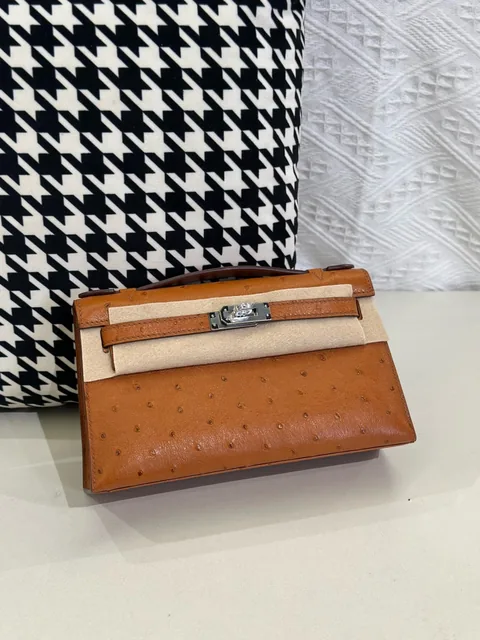
Ostrich Leather Series I Flap Shoulder Bag Collection WOB109
WOB109Ostrich Leather Series I Flap Shoulder Bag Collection WOB109 is crafted from genuine ostrich leather with soft leather lining and a structured leather body and reinforced base. Key details: Series I. Made-to-order dimensions are available f
-
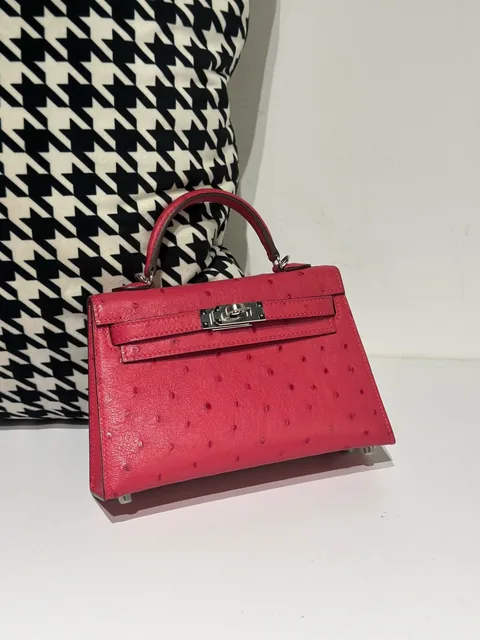
Ostrich Leather Series II Top Handle Bag Collection WOB116
WOB116Ostrich Leather Series II Top Handle Bag Collection WOB116 is crafted from genuine ostrich leather with soft leather lining and a structured leather body and reinforced base. Key details: Series II. Made-to-order dimensions are available fo
-
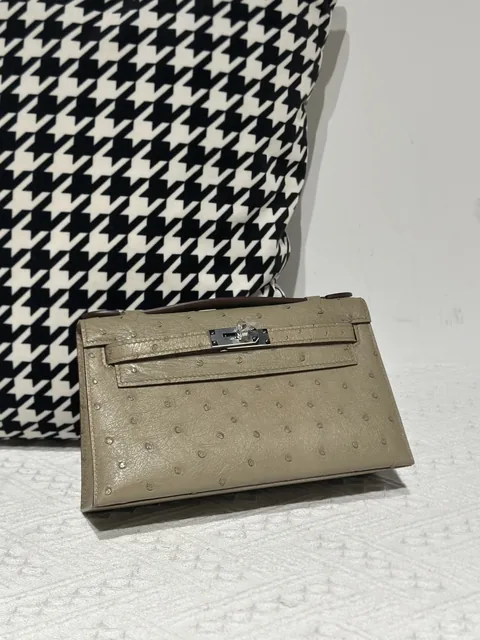
Ostrich Leather Taupe Gray Silver Hardware Series I Flap Shoulder Bag WOB113
WOB113Ostrich Leather Taupe Gray Silver Hardware Series I Flap Shoulder Bag WOB113 is crafted from genuine ostrich leather with soft leather lining and a structured leather body with metal hardware. Key details: Taupe Gray, Series I, Silver Hardw
-
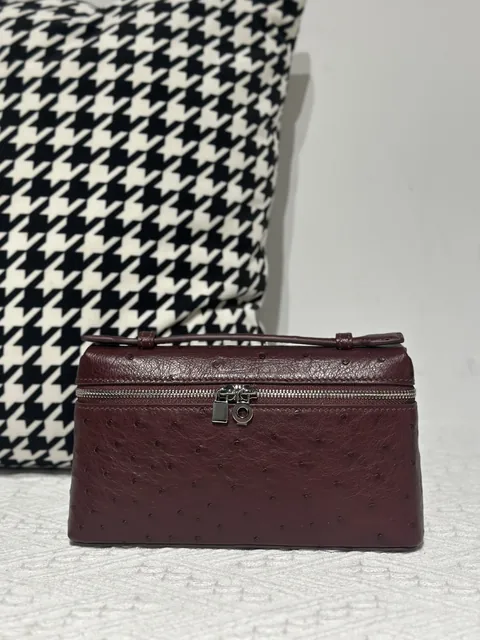
Ostrich Leather 19cm Burgundy Silver Hardware Top Handle Bag WOB094
WOB094Ostrich Leather 19cm Burgundy Silver Hardware Top Handle Bag WOB094 is crafted from genuine ostrich leather with soft leather lining and a structured leather body with metal hardware. Key details: Burgundy, Silver Hardware. Dimensions: 19cm
-
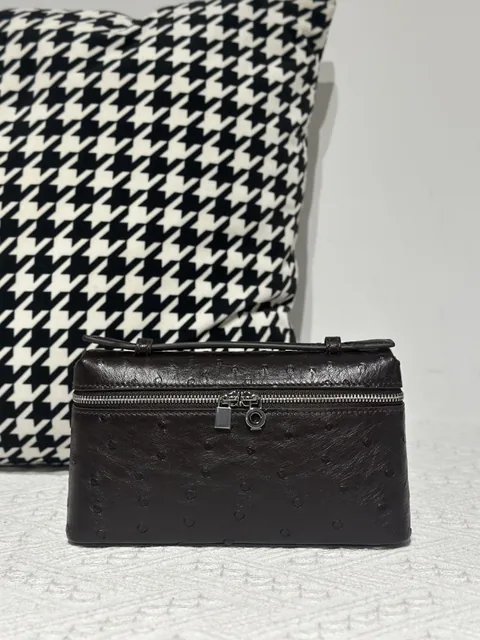
Ostrich Leather 19cm Silver Hardware Top Handle Bag WOB093
WOB093Ostrich Leather 19cm Silver Hardware Top Handle Bag WOB093 is crafted from genuine ostrich leather with soft leather lining and a structured leather body with metal hardware. Key details: Silver Hardware. Dimensions: 19cm reference size. Cu
-
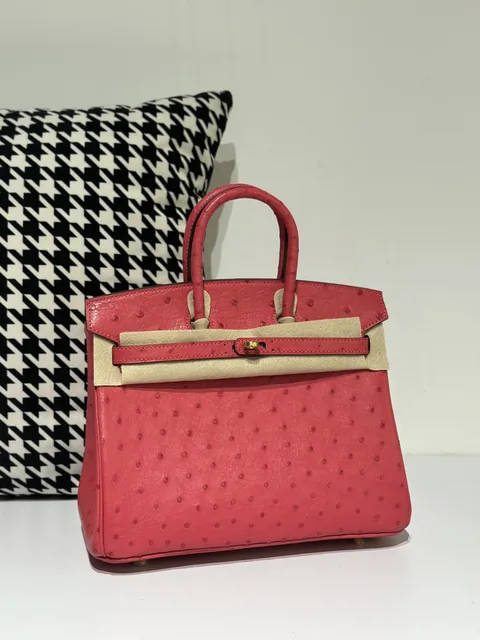
Ostrich Leather 25cm Top Handle Tote Bag Collection WOB101
WOB101Ostrich Leather 25cm Top Handle Tote Bag Collection WOB101 is crafted from genuine ostrich leather with soft leather lining and a structured leather body and reinforced base. Dimensions: 25cm reference size. Custom logo, color, hardware, li
-
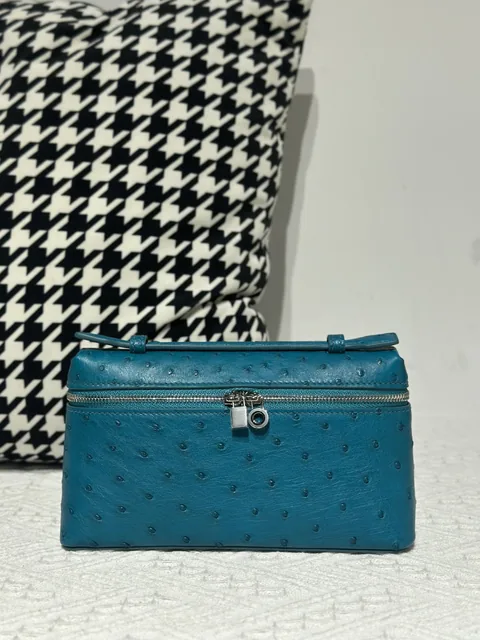
Ostrich Leather Aqua Blue 19cm Silver Hardware Top Handle Bag WOB090
WOB090Ostrich Leather Aqua Blue 19cm Silver Hardware Top Handle Bag WOB090 is crafted from genuine ostrich leather with soft leather lining and a structured leather body with metal hardware. Key details: Aqua Blue, Silver Hardware. Dimensions: 19
-
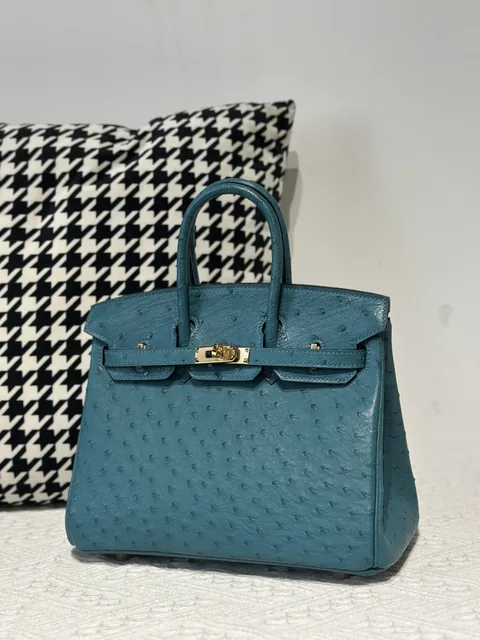
Ostrich Leather Aqua Blue 25cm Gold Hardware Top Handle Tote Bag WOB102
WOB102Ostrich Leather Aqua Blue 25cm Gold Hardware Top Handle Tote Bag WOB102 is crafted from genuine ostrich leather with soft leather lining and a structured leather body with metal hardware. Key details: Aqua Blue, Gold Hardware. Dimensions: 2
-
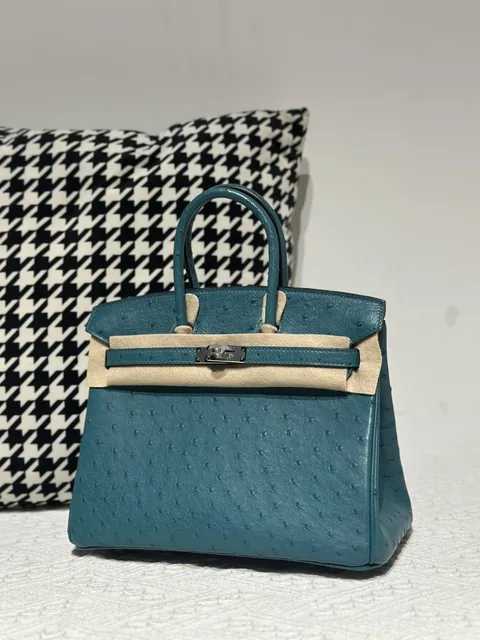
Ostrich Leather Aqua Blue 25cm Silver Hardware Top Handle Tote Bag WOB103
WOB103Ostrich Leather Aqua Blue 25cm Silver Hardware Top Handle Tote Bag WOB103 is crafted from genuine ostrich leather with soft leather lining and a structured leather body with metal hardware. Key details: Aqua Blue, Silver Hardware. Dimension
-
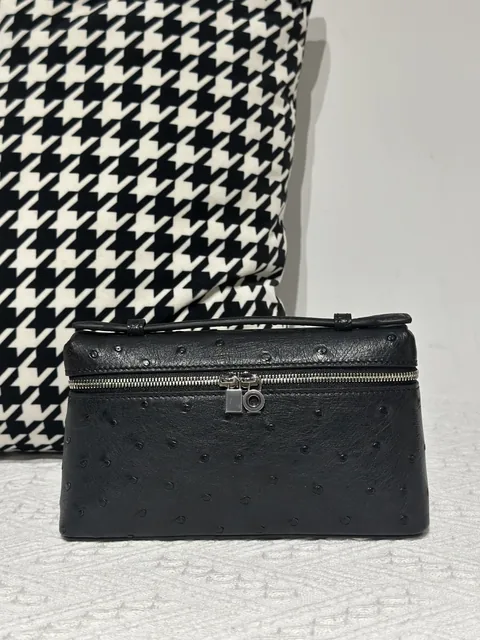
Ostrich Leather Black 19cm Silver Hardware Top Handle Bag WOB098
WOB098Ostrich Leather Black 19cm Silver Hardware Top Handle Bag WOB098 is crafted from genuine ostrich leather with soft leather lining and a structured leather body with metal hardware. Key details: Black, Silver Hardware. Dimensions: 19cm refer
-
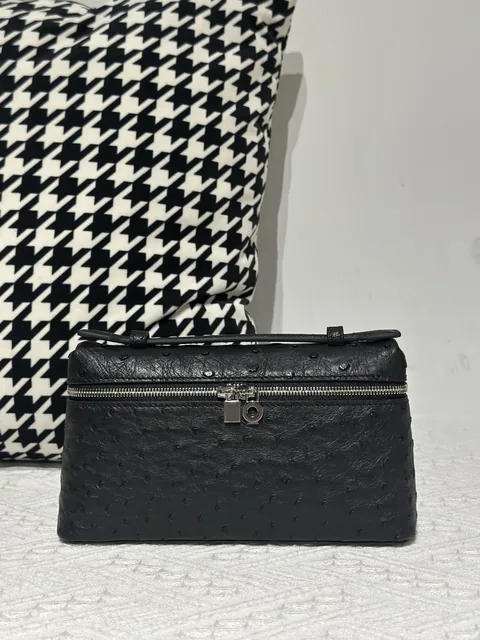
Ostrich Leather Black 19cm Silver Hardware Top Handle Bag WOB099
WOB099Ostrich Leather Black 19cm Silver Hardware Top Handle Bag WOB099 is crafted from genuine ostrich leather with soft leather lining and a structured leather body with metal hardware. Key details: Black, Silver Hardware. Dimensions: 19cm refer
-
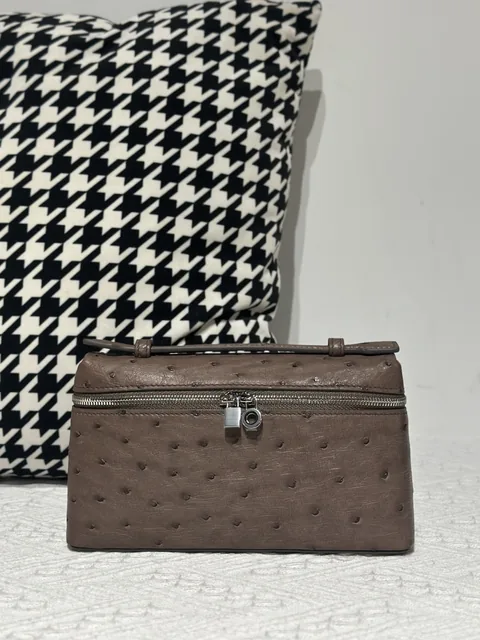
Ostrich Leather Brown 19cm Silver Hardware Top Handle Bag WOB096
WOB096Ostrich Leather Brown 19cm Silver Hardware Top Handle Bag WOB096 is crafted from genuine ostrich leather with soft leather lining and a structured leather body with metal hardware. Key details: Brown, Silver Hardware. Dimensions: 19cm refer
The Ostrich Bags collection supports personal custom, boutique-test and small-wholesale enquiries. A useful brief confirms bag type, dimensions, visible-panel direction, colour and use case, structure, hardware, lining, quantity, destination and approval requirements before quotation.
Ostrich leather bags: choose the texture and use case first
This collection covers ostrich leather bag references for personal custom projects, boutique testing and small wholesale. Before comparing quotations, define the intended use, finished size, structure, visible-panel treatment, hardware, lining, destination and approval point. A catalogue image is a reference, not a promise of ready stock or a universal material specification.
Full quill, smooth, or a quieter mix?
Put the texture where it matters to you. A front panel or flap may call for a stronger quill look, while a side, base, gusset or trim may suit a quieter surface. Mark each visible panel on the reference and confirm the proposed material direction on the sample. That avoids treating “full quill” as a complete specification.
How should light colours and daily contact be considered?
If you are considering a pale colour or a bag that will be handled every day, review the handle, shoulder strap, corners and body-contact areas in the sample under the use conditions you expect. Light shades can make handling marks and colour transfer easier to notice. Choose the colour, finish and texture coverage for the intended use, and keep the approved reference photographs with the brief.
Which bag details matter before a quote?
Specify handbag, tote, shoulder bag, briefcase, clutch or backpack; then give finished dimensions, opening, pocket layout, handle drop or strap length, base, feet, lining, hardware, logo and packaging. The ostrich bag sourcing guide explains how to make that panel-by-panel brief practical.
Can a personal buyer or a small boutique enquire?
Yes. A personal custom bag, boutique test or small wholesale run can be discussed after feasibility confirmation. State whether you are selecting one reference, testing an assortment or planning a repeatable range, then add quantity, destination and the next decision you need. Exact scope, quotation and schedule are confirmed for the individual project.
What happens after a reference is chosen?
Keep sample approval, order release and pre-shipment review as separate decisions. Compare the agreed dimensions, panel placement, colour, structure, stitching, edges, hardware, lining and packaging with the written brief. After feasibility review, the material route and destination requirements are confirmed for that project. For care and daily-use context, see the ostrich owner’s guide.
Buyer FAQ
Category Buyer FAQ
What details help quote ostrich bags?
For a personal custom bag, boutique test or small wholesale project, send a reference, finished dimensions, intended use, panel direction, structure, lining, hardware, logo, packaging, quantity, destination and next decision. Exact feasibility, material route, scope, quotation and schedule are confirmed for the individual brief.
What should buyers confirm before sampling ostrich bags?
Before sampling ostrich bags, confirm the intended market, material direction, construction details, logo method, packaging plan, size or dimension requirements, and destination country. Keep written sample comments so bulk production matches the approved reference.
How should quill placement be specified on an ostrich bag?
Mark the visible panels where quill character matters most and state where smoother ostrich sections or coordinating leather are acceptable. Approve panel placement on the physical sample before bulk cutting.
What should buyers compare between an ostrich bag sample and bulk production?
Compare dimensions, quill placement, color, structure, stitch line, edge finish, handle balance, hardware, lining and packaging with the approved references, and record acceptable natural variation in writing.
How should I choose full-quill, smooth or leg leather for an ostrich bag?
Choose by visible panel and intended look. Mark whether the front, flap, handles, sides, base, gusset or trim need a stronger quill look or may use a quieter surface. Confirm the proposed panel placement on the sample; “full quill” alone is not a complete bag specification.
What should I consider for a light-coloured ostrich leather bag?
Light shades can make handling marks and colour transfer easier to notice. Before approval, inspect the handle, shoulder strap, corners and body-contact areas under the intended use conditions, then confirm the chosen colour, finish and texture coverage in the sample record. Avoid assuming that a photograph proves future wear behaviour.
Can I discuss a personal custom bag or boutique test?
Yes. A personal custom bag, boutique test or small wholesale project can be discussed after feasibility confirmation. Send a reference, finished dimensions, panel direction, structure, hardware, lining, quantity, destination and the next decision you need. Exact scope, quotation and schedule are confirmed for that project.