
Leather & Exotic Skin Belts
Browse the current styles below. Open a product to see its details and ask about your requirements.
Showing 1-6 of 6 results
-
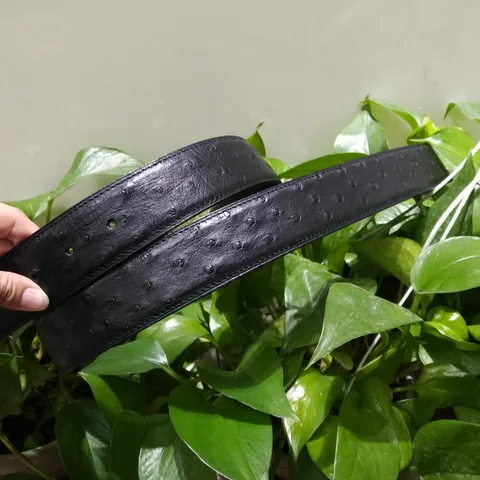
Black Ostrich Skin Belt FMBOB12001
FMBOB12001You have your favorite ensemble, maybe a classic charcoal suit, white cotton shirt, and your most comfortable black dress shoes. Or a worsted blazer with stylish chino trousers, or designer jeans. For the perfect finishing touch? An ostrich
-
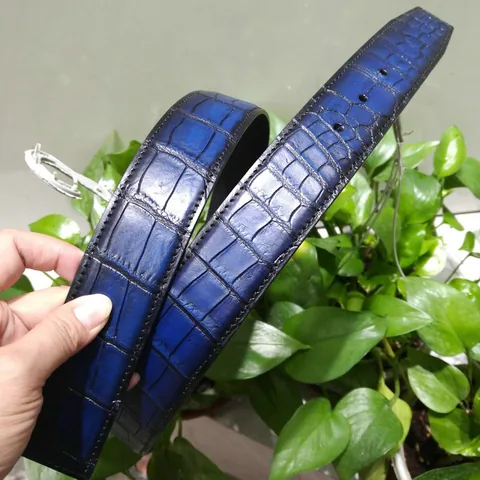
Blue Crocodile Leather Belts FMBAB12004
FMBAB12004Since each crocodile skin has its own individual scale pattern your mens crocodile leather belts will be truly unique. And, whilst being soft and supple, crocodile skin is exceptionally tough, so your belt will last for a lifetime.
-
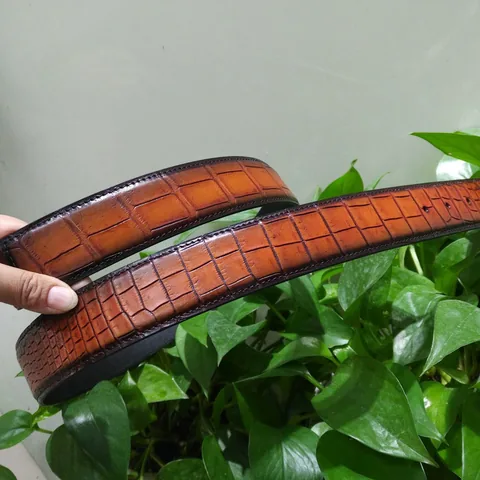
Brown Crocodile Skin Belt FMBCB12003
FMBCB12003Check out our gallery exotic skin belt and you will see that we stock a very wide range of styles and colors of crocodile belt – red, black, white yellow, brown or blue.
-
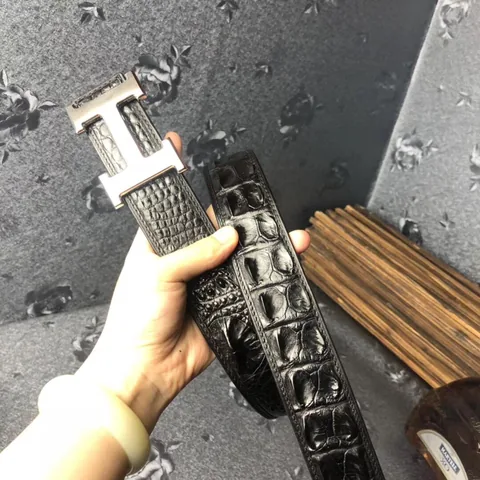
Crocodile Dress Belt Exotic Belt Buckles TMBAB12005
TMBAB12005The back of this belt is lined with Crocodile leather and finished with a elegant buckle for a perfect silver shining. Adjustable closure with Exotic Belt Buckles ensures perfect fit. Perforated leather construction adds timeless style.
-
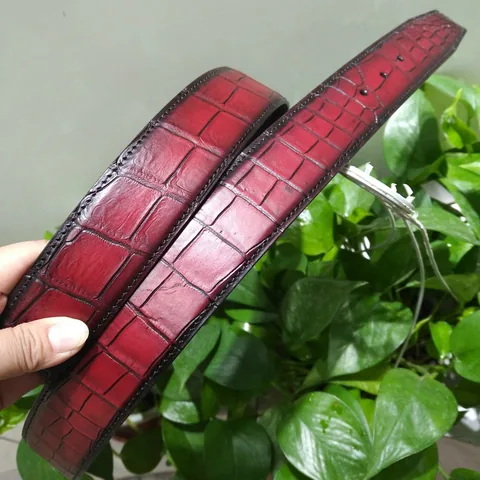
Men Crocodile Skin Belt FMRCB12002
FMRCB12002Check out our gallery exotic skin belt and you will see that we stock a very wide range of styles and colors of crocodile leather belt for men – red, black, white yellow, brown or blue.
-
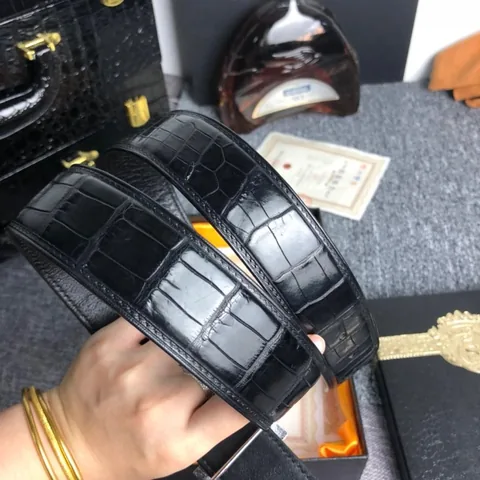
Men’s Perforated Crocodile Leather Belt TMBAB12006
TMBAB12006Render an exquisite look to your dressing by wearing this elegant belt from genuine leather belts manufacturers. Fashioned from Genuine crocodile, which makes it a perfect choice for your wardrobe.
Leather & Exotic Skin Belts focuses on belt sourcing and links to the separate Leather & Exotic Skin Accessories category for wallets, card holders, phone cases, pouches, document cases, key holders, watch straps, charms, and small leather goods.
Leather and exotic skin belts for wholesale projects
A belt quotation needs more than total length and leather name. Finished width, usable size range, hole spacing, buckle construction, keeper position, edge finish and lining all affect the pattern and material yield. State whether the belt is a dress, casual, golf or reversible direction and provide the measurement convention used by the target market.
Specify leather, backing and edge construction
For alligator or crocodile belts, identify belly, side or hornback direction and how scales should run along the strap. For ostrich or python, mark the visual area and acceptable transitions. Confirm whether the strap is one piece, paneled or joined, and specify lining or backing leather, reinforcement and the desired flexibility. Edge paint, folded edges and stitched constructions need different samples and production controls.
List buckle dimensions, finish, pin, screws or stitching, keeper style and any detachable mechanism. A custom buckle or logo part may have its own tooling and component minimum, so separate the finished-belt quantity from each custom component. Logo instructions should identify buckle, strap, lining, keeper and packaging positions with artwork and size.
Size and sample checks
Define belt size by the agreed measuring points rather than relying on S, M or L alone. On the sample, check overall and usable length, width, hole position, buckle fit, keeper clearance, edge finish, stitching, lining adhesion, flex behavior and logo readability. During bulk production, compare leather, lining, edge color and hardware lots with approved references. Before shipment, check size assortment, function, appearance, labels, individual packing and carton marks.
Small wallets, card holders, phone cases and similar goods belong in Leather & Exotic Skin Accessories; this category remains focused on belts so buyers can send the right measurements and component details.
What to send us
- Belt type, width, size range and measurement method.
- Leather section, lining, reinforcement and edge construction.
- Buckle, keeper, hardware finish, logo and packaging details.
- Target quantity, destination and required sample stage.
Attach drawings, buckle references and size tables through the Buyer Portal for an email-friendly quotation review.
Choosing an exotic leather belt that earns daily wear
A belt is the exotic piece most people buy first — visible every day, priced well below a bag, and worn hard. That last part is why construction matters more here than anywhere else in the catalog.
The one-piece front test
A properly made exotic belt uses a single continuous front panel. Cheaper belts join two short sections under a keeper where you won't look — run your fingers along the back seam and you'll find the joint if there is one. On crocodile especially, a one-piece belly front consumes real hide and is most of what you're paying for.
Which skin for which belt
Crocodile and alligator carry the formal tile pattern and suit dress wear; hornback cuts make a rugged casual statement. Ostrich reads softer and more relaxed, and lizard's fine scale suits narrower dress belts beautifully. Width follows use: slimmer for tailoring, wider for jeans — and if you match a belt to crocodile shoes, the skin, color and finish should genuinely agree, or the match reads as a near-miss.
Hardware you can live with
Look for a buckle fixed with screws or a fold-over with snaps rather than a crimped end: interchangeable hardware means a scratched buckle is a part, not a dead belt. Solid fittings feel dense; the keeper and tip should be stitched, not just glued.
Bespoke, properly defined
Made-to-measure means cut to your actual waist with your choice of width, skin, finish and buckle — not a standard belt with extra holes punched. Orders start from one piece, and a confirmed belt ships 7-12 days after specification. The full spec sheet — sizing method, edge finish, lining choices — is in our exotic belt sourcing guide.
How to size it right the first time
Measure a belt you already wear well, buckle to the hole you actually use — that number, not your trouser size, is what a bespoke belt should be cut to. Trouser sizes run smaller than belt sizes on nearly everyone, and "order one size up" folklore is how belts arrive with the tongue riding too long or the buckle pulling at the last hole. One measurement, taken flat with a tape, settles it.
Keeping it right
Rotate two belts rather than wearing one daily, store hanging or loosely rolled, never folded sharp, and wipe the inside face in hot months — sweat dries leather from the back. The care guide covers the rest. For how a luxury-grade piece is judged before you buy it, the checks in the luxury-grade guide apply to belts exactly as to bags.
Belts are most often ordered next to footwear, and the alligator shoes range shares the same skins, so a strap can be matched to an upper instead of guessed at.
Buyer FAQ
Category Buyer FAQ
What details help quote leather and exotic skin belts?
For belt sourcing, send reference photos, target quantity in pieces, width, buckle, leather, lining, logo, holes, packaging, and size range. These details help the factory confirm sample path, MOQ, lead time, and whether existing materials or tooling can be used.
What should buyers confirm before sampling leather and exotic skin belts?
Before sampling leather and exotic skin belts, confirm the intended market, material direction, construction details, logo method, packaging plan, size or dimension requirements, and destination country. Keep written sample comments so bulk production matches the approved reference.
What products belong in Leather & Exotic Skin Accessories?
This category is for small leather goods such as wallets, card holders, phone cases, pouches, document cases, key holders, watch straps, charms, and small exotic skin accessories. Full-size bags, shoes, belts, and hats should stay in their own material or product categories.
What details help quote small leather accessories?
Send reference photos, dimensions, material direction, lining, pocket layout, zipper or hardware, logo method, packaging, target quantity, destination country, and sample deadline. For exotic skins, also confirm scale direction, color standard, documentation needs, and QC photos before bulk production.
Exotic Leather Belt FAQ
What is the difference between a full exotic belt and an exotic inlay belt?
A full exotic strap is cut entirely from crocodile, alligator or ostrich as one continuous strip. An inlay belt is a calf leather strap with an exotic panel inlaid down the center, which uses far less exotic material and costs considerably less. Both are legitimate as long as the description and label say which construction it is.
Why does belt length affect the price of an exotic leather belt?
A belt strap has to be cut as one continuous strip of clean hide from buckle end to tip. Usable hide length therefore caps strap length, so longer sizes in genuine exotic can require a different cut plan or a premium section of the hide. Giving the factory your real size range up front avoids a re-quote later.
How long does a custom exotic belt sample take?
The belt sample stage typically runs 7-12 days after the leather, buckle, size and logo details are confirmed. The clock starts at confirmation, so an open question about buckle plating or lining is the most common reason a belt sample is delayed.